Where are you getting your wood tonight? Seasoned Hardwood

Why Decorative Stone Is the Foundation of Great Outdoor Design
Grass needs mowing. Mulch breaks down and needs replacing every year or two. Decorative stone just sits there, looking sharp, season after season. That’s the real appeal. Quality landscaping stone improves drainage, keeps weeds from taking over, and holds soil in place on slopes that would otherwise wash away, all without the constant upkeep organic materials demand.
Since stone doesn’t decompose, it won’t need refreshing like mulch does, making it a smarter long-term investment for homeowners and property managers. No watering, no fertilizing, no mowing, just lasting curb appeal with barely any effort on your part.
Beyond the practicality of going for this option, a well-planned yard using quality materials can genuinely raise a property’s value. It’s no wonder the U.S. landscaping industry hit roughly $184 billion in 2025.
Popular Types of Decorative Stone for Your Landscape
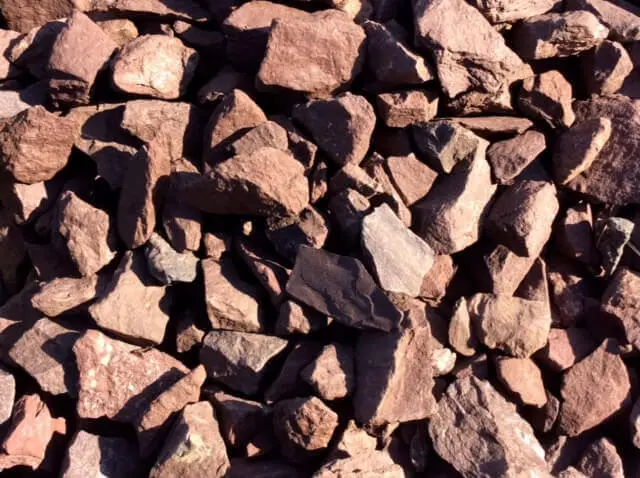
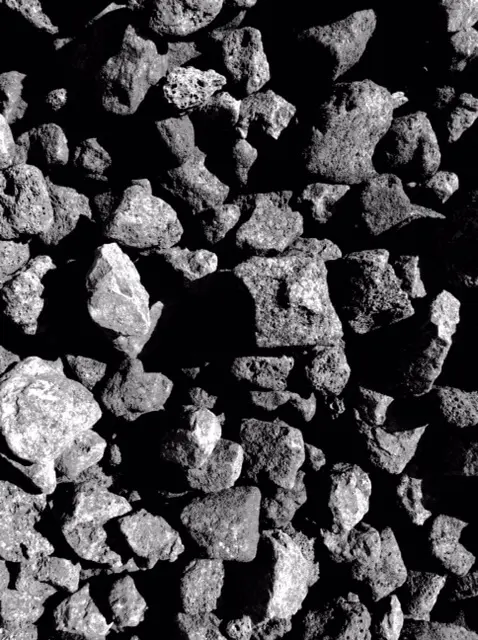
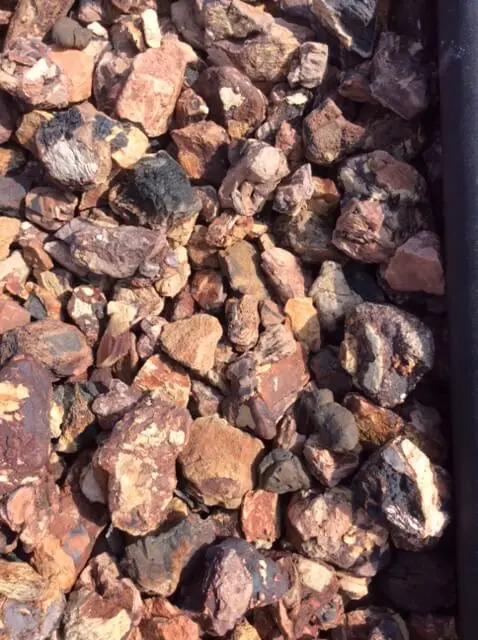
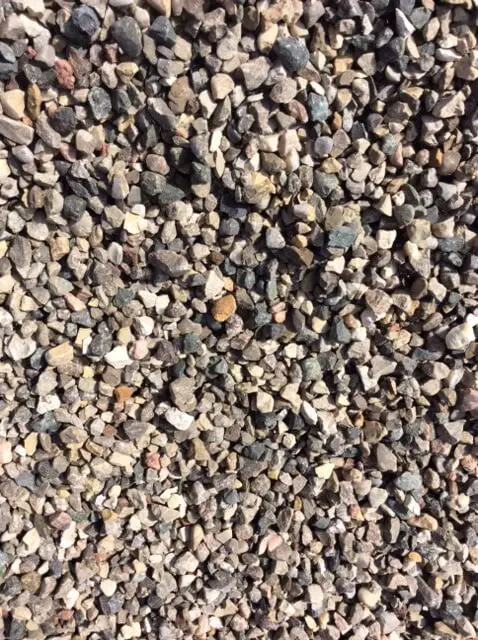
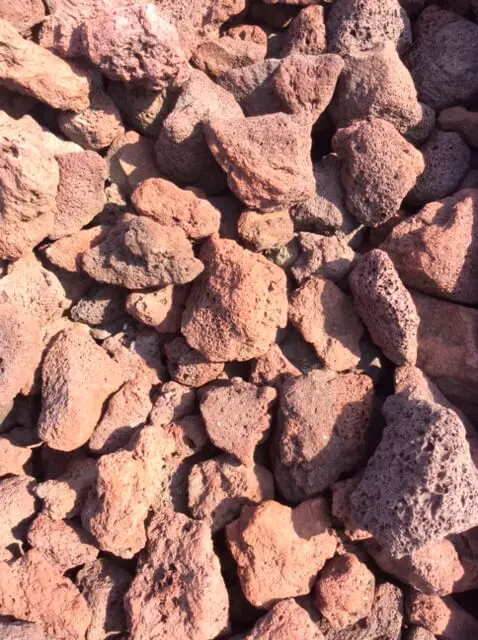
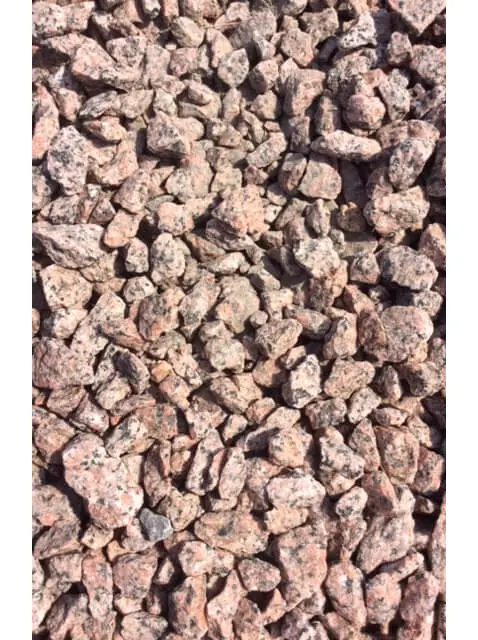
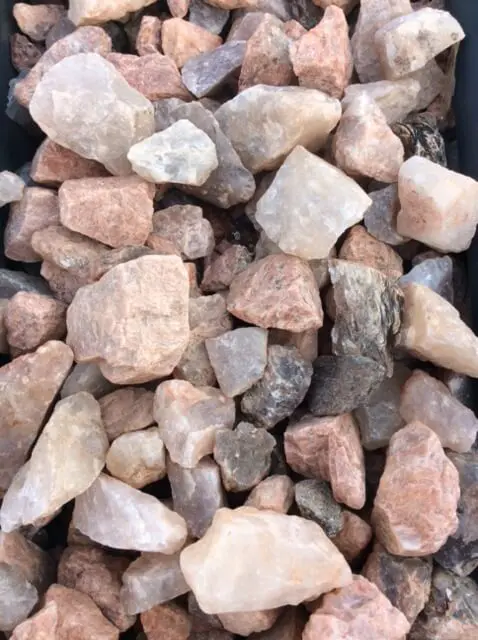
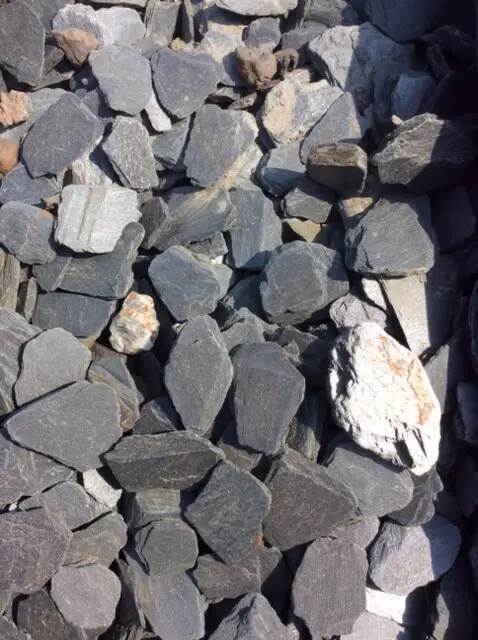
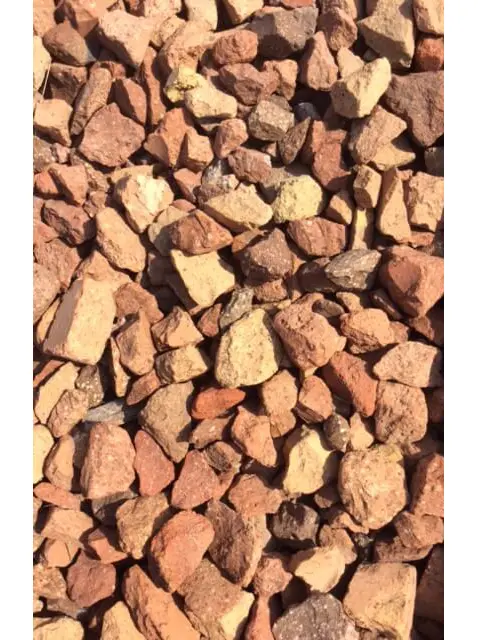
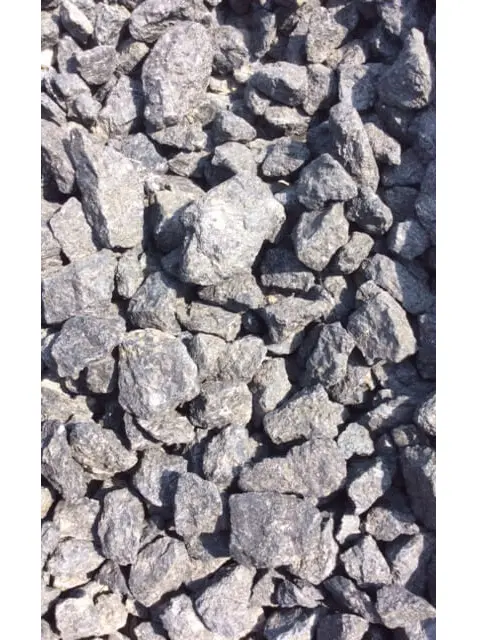
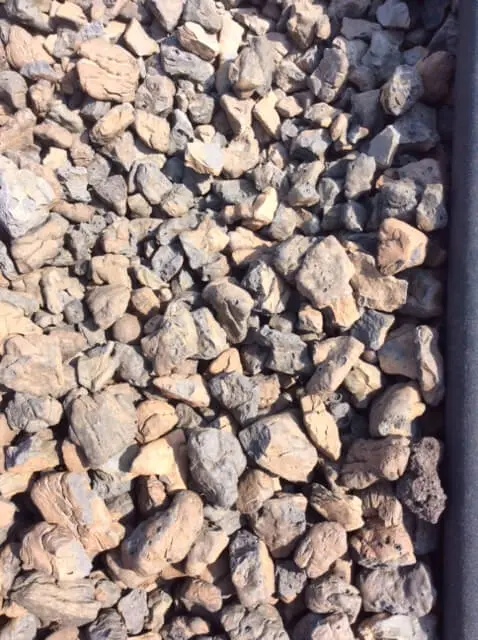
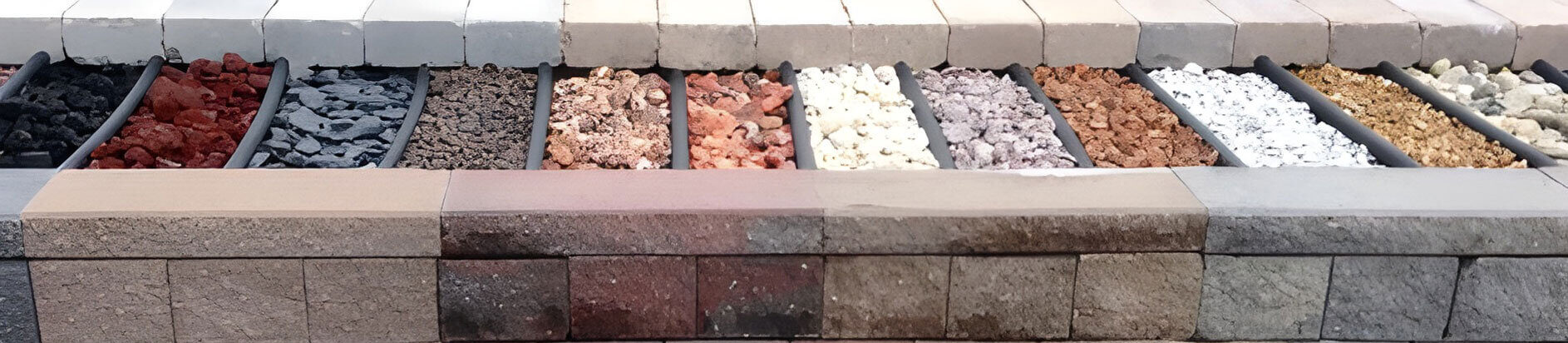
The right stone comes down to your project, your style, and what you’re willing to spend. Gravel sizes generally range from 1/8 inch up to larger aggregates, and smooth stone feels better underfoot while angular pieces lock together for stability on slopes or driveways. Earth tones give a space a natural, grounded feel, while darker stones bring bold contrast. No two batches look quite the same.
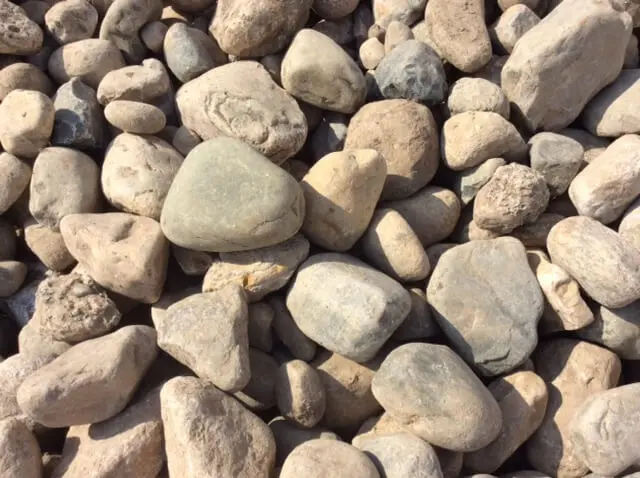
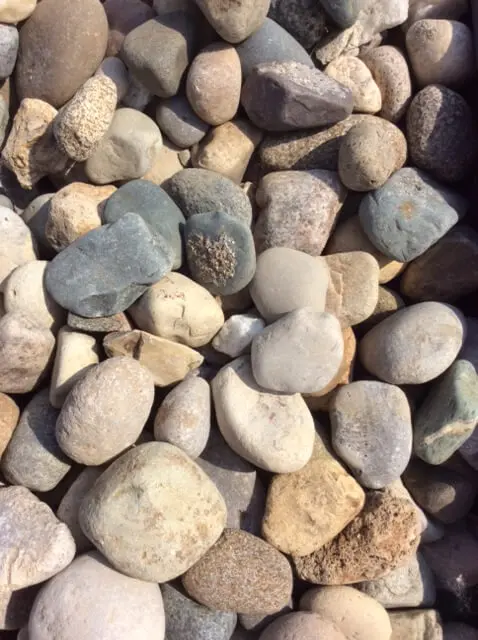
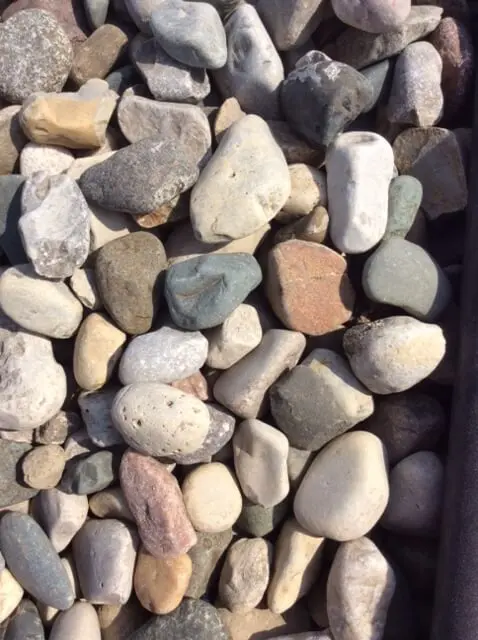
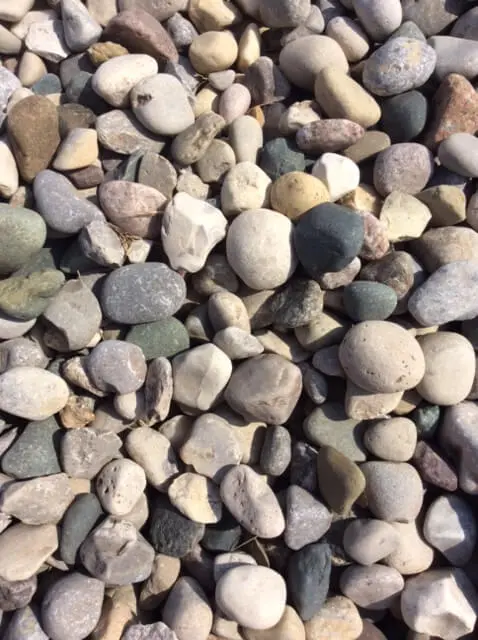
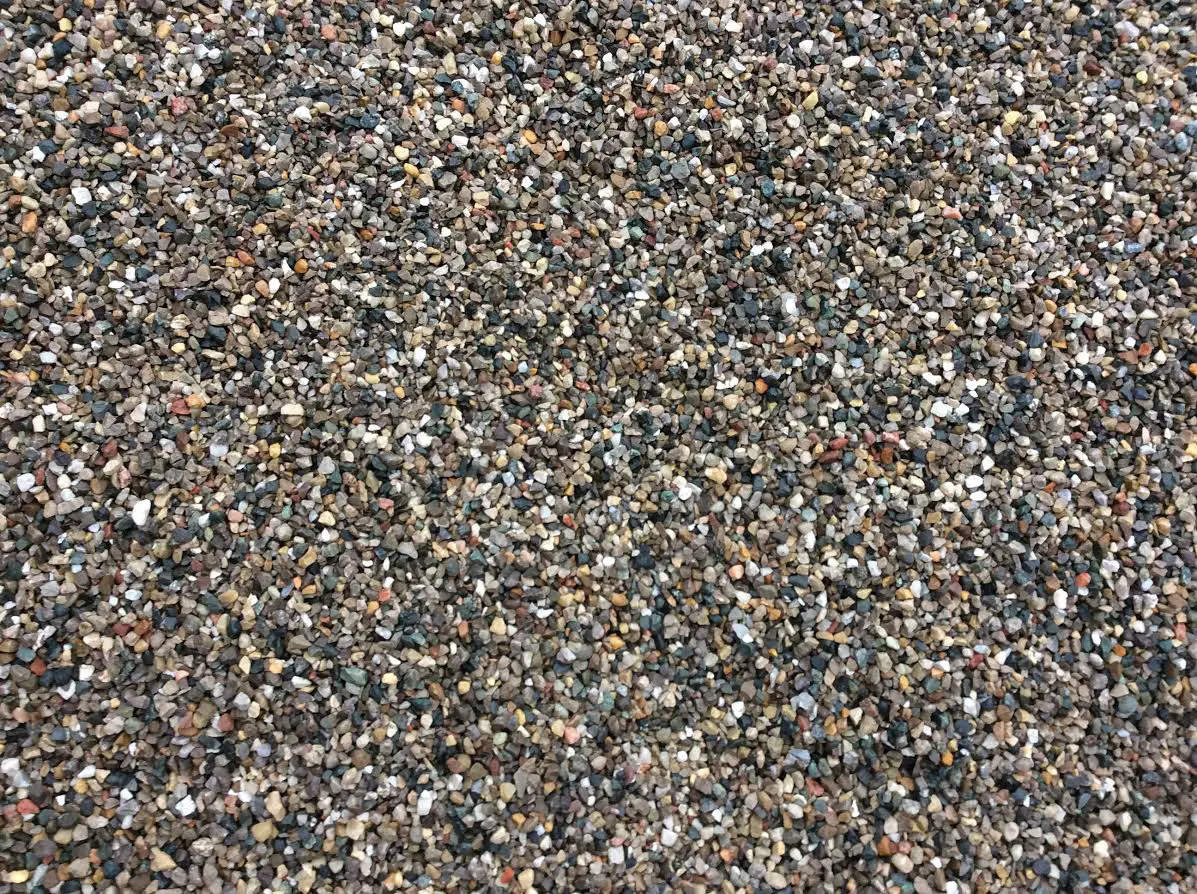
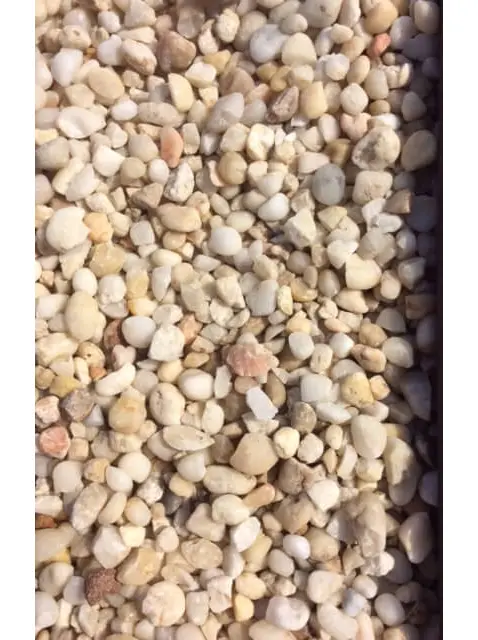
Then, river rock brings smooth, rounded stones (1–3 inches) for creek beds, water features, fire pits, and borders. There is also pea gravel, made up of small, smooth stones (¼–½ inch) which are ideal for patios, pathways, and play areas.
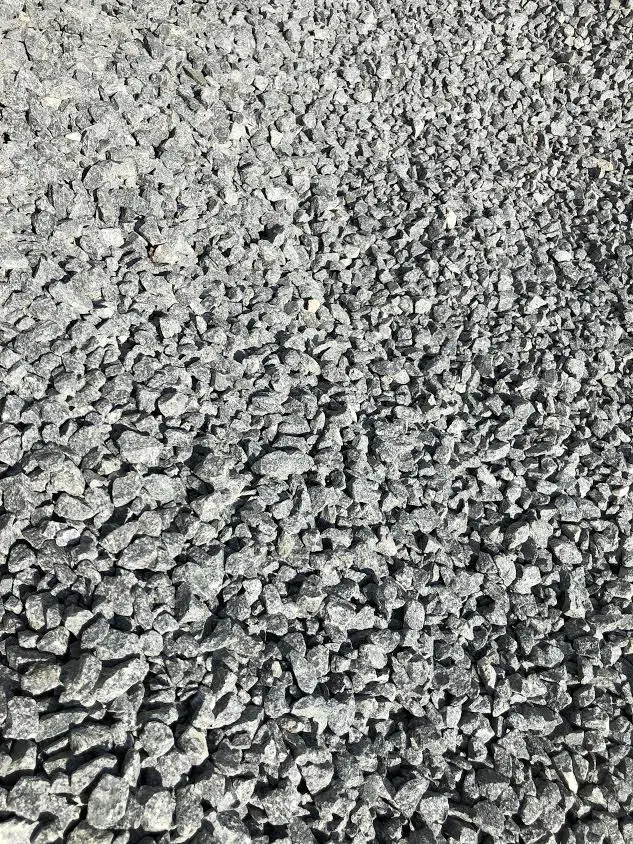
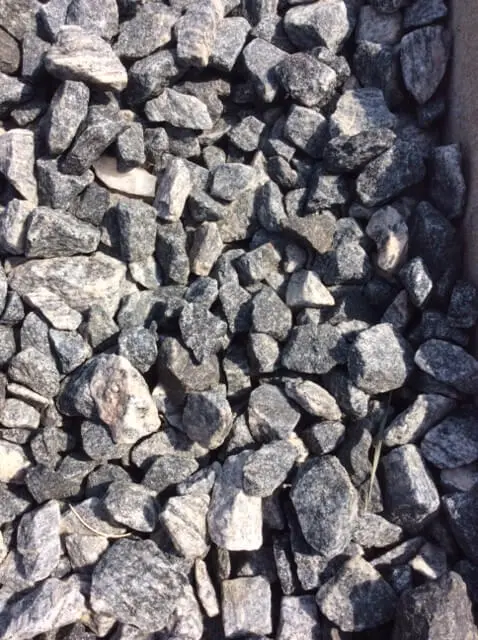
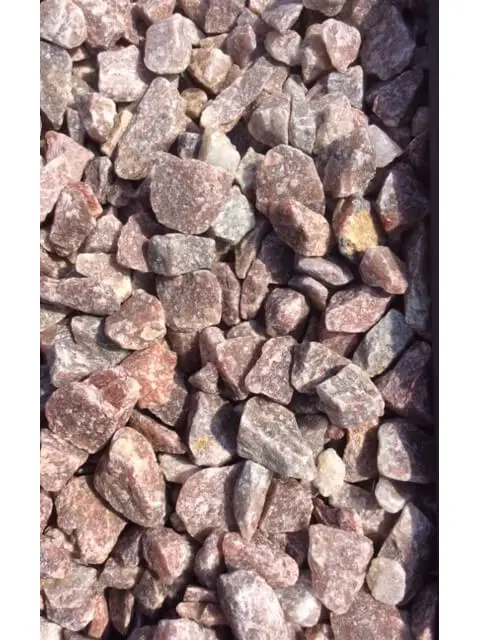
Crushed stone is angular pieces (3/4-1 inch) that are great for driveways, walkways, and drainage. Marble chips, in white, red, or black, work well as flower bed accents, and flagstones’ flat, irregular pieces make great patios and stepping paths.
If we talk of decomposed granite, it gives pathways a rustic feel. Additionally, boulders serve as large focal-point stones for structural impact. Once you know your look and function, narrowing down a type gets easier.