
The Environmental Benefits of Using Decorative Stone in Landscaping
When you think about creating a beautiful yard, sustainability might not be something that’s top of mind. But what if you could design a scintillating outdoor landscape while helping the planet? Decorative stone offers exactly that. Unlike traditional grass lawns or synthetic materials, natural stone is known for real environmental benefits like water savings and erosion control. At Stone Depot, we help Michigan homeowners make landscaping choices that enhance the look of their property and don’t harm the environment.
How Decorative Stone Helps Reduce Water Consumption

Water shortage has become a real problem across the United States. Only about 3% of Earth’s water is freshwater. That makes every drop count, especially when 30% to 60% of household water goes toward outdoor irrigation.
Traditional grass lawns constantly drink up water. They need regular watering to stay green, particularly during hot Michigan summers. Decorative stone changes everything. Stone pathways, patios, and ground covers need zero irrigation.
When you use stone in water-wise landscaping, it can bring down your outdoor water usage. That brings real savings on your water bill and leads to a much smaller environmental footprint for Oakland County homeowners.
Stone also helps keep moisture in the soil around your plants. When you use decorative stone or gravel as mulch around trees, shrubs, and flower beds, it creates a barrier that stops evaporation. Mulched soil can stay cooler than bare soil. This helps keep moisture where your plants need it most. Proper mulching can reduce water loss from soil by up to ten times.
Long-Term Durability and Recyclability
One of the biggest environmental perks of natural stone is how long it lasts. When you choose sustainable landscaping materials like decorative stone, you’re making an investment that works for decades or even centuries. You just need to look at historic stone buildings around the world that have stood for hundreds of years.
Synthetic materials typically last only 10 to 25 years, depending on quality and maintenance. Artificial products tend to crack, fade, or break down in the sun and elements. Organic mulch needs replacing every year or two as it breaks down. All those replacements eat up resources, create waste, and require constant transportation and labor.
Natural stone is a long-lasting option. It stands up to the weather, stays attractive for many years, and only needs the occasional wash. This means fewer replacements over time, which cuts down on resource use and keeps materials out of landfills.
The sustainability angle gets even better with recyclability. Natural stone can be reused and repurposed for new projects over and over. When you redesign your landscape or move, the stone can go with you or be passed along. This keeps materials in use rather than turning them into waste.
Erosion and Runoff Control Benefits
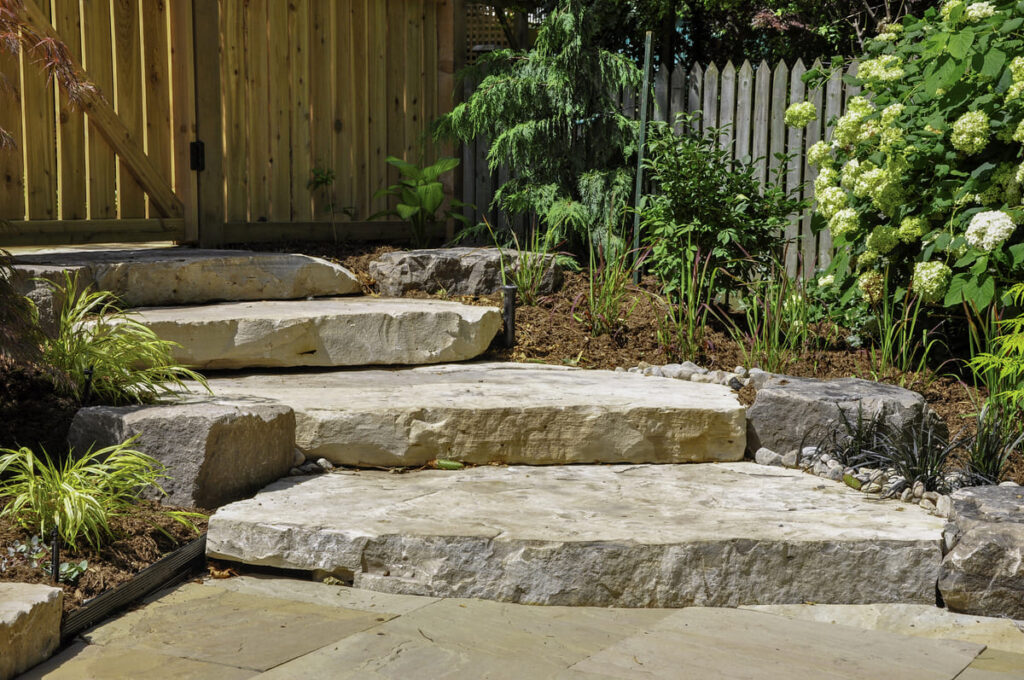
Soil erosion and water runoff create real environmental headaches. When heavy rains wash away soil, they also carry pollutants, sediment, and chemicals into streams and rivers. This harms water quality and damages ecosystems.
Decorative stone provides excellent erosion prevention through both weight and structure. Materials like pea gravel and larger landscape stones hold slopes and vulnerable areas in place. The weight of the stone holds soil in place even during storms, preventing washout and protecting your garden beds.
Permeable stone surfaces that allow water through add extra benefits for water management. Unlike concrete or asphalt, these stones allow rainwater to seep into the ground. This process cleans the water naturally and refills the groundwater.
These permeable surfaces also make winter easier on the environment. Traditional pavement needs heavy salt to prevent ice, but permeable asphalt needs only 0 to 25% of that salt. This dramatically cuts the amount of harmful chlorides entering the environment. Placing sand and gravel strategically in your yard helps water drain naturally and keeps soil from washing away.
Stone Depot’s Sustainable Sourcing Practices for Decorative Stone
The environmental impact of natural stone goes beyond the material itself and includes how it’s transported. Moving these materials over long distances adds to carbon emissions. For example, shipping a container of marble from Italy to North America can create around two to three metric tons of Carbon dioxide.
Construction transportation accounts for roughly 10% of total Carbon dioxide emissions, and the building materials sector adds about 37% of global greenhouse gases. These numbers show why local sourcing matters.
We work with local quarries and suppliers whenever we can. This reduces transportation distances and the emissions that come with them. Local sourcing also supports the economy and creates jobs in our community.
Trains can help cut emissions while still getting you your stonework from thousands of miles away. They can cut carbon emissions by up to 76% compared to trucking.
Transform Your Landscape with Sustainable Stone
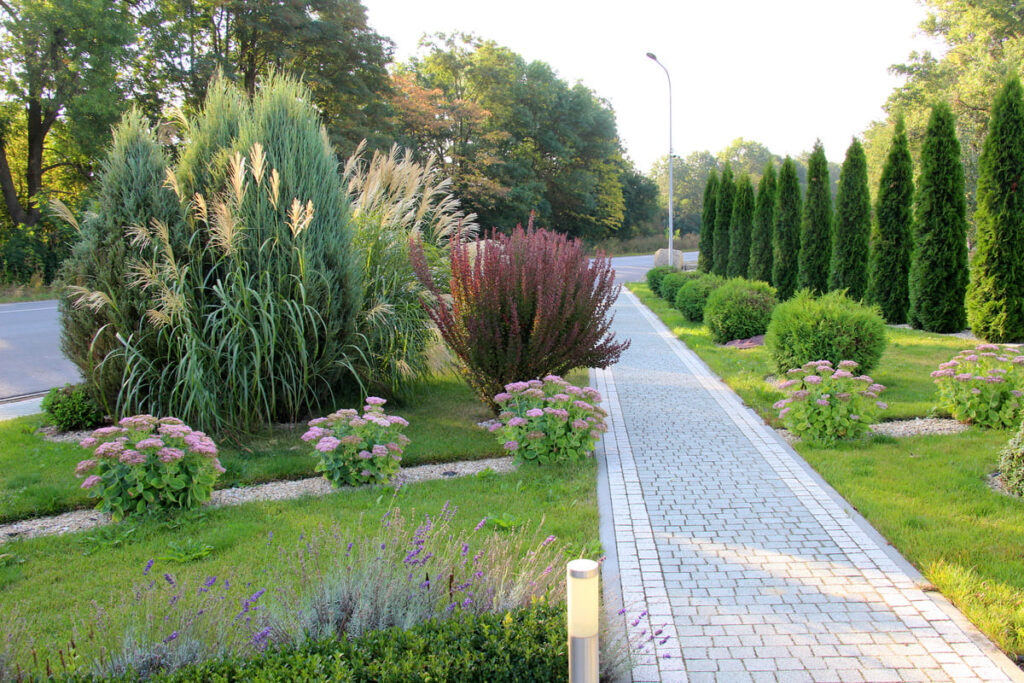
Decorative stone can help save our precious water. It lasts for years with little upkeep, prevents soil erosion, supports recycling, and lowers transportation emissions. Reports show 60% of Americans now prioritize environmental sustainability in lawn care decisions. Plus, sustainable landscaping brings down the maintenance costs, cuts utility bills, and increases property values.
At Stone Depot, we offer a wide selection of sustainable landscaping materials to help create the outdoor space you’ve always dreamed of. Contact us today to know how decorative stone can transform your property while protecting the environment.