
Sand or Gravel? How to Choose the Right Base Material for Your Project?
Many Michigan homeowners aren’t sure whether to use sand or gravel for outdoor projects. Picking the wrong one might cause drainage problems, uneven ground, or even structural damage down the road. Understanding the difference between sand and gravel can help you make confident decisions and avoid expensive mistakes. This guide explains when to use each material and how to pick the best one for long-lasting results in Michigan’s weather.
Sand vs Gravel: Understanding the Difference
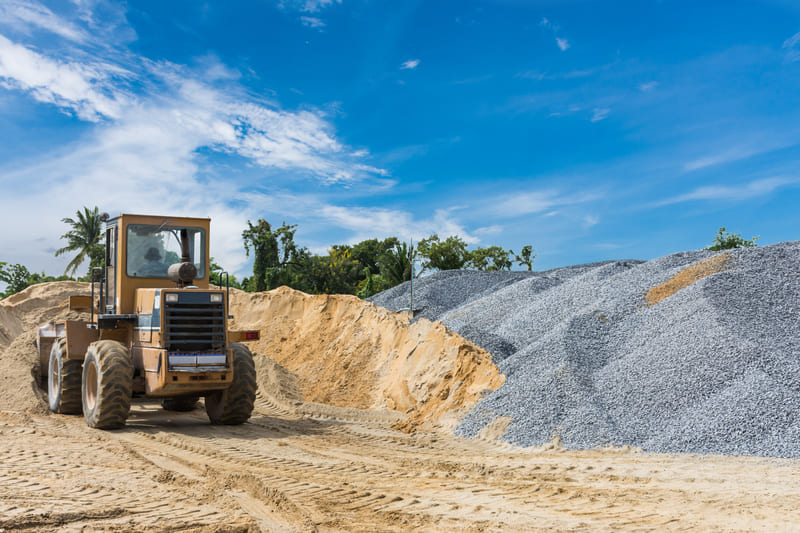
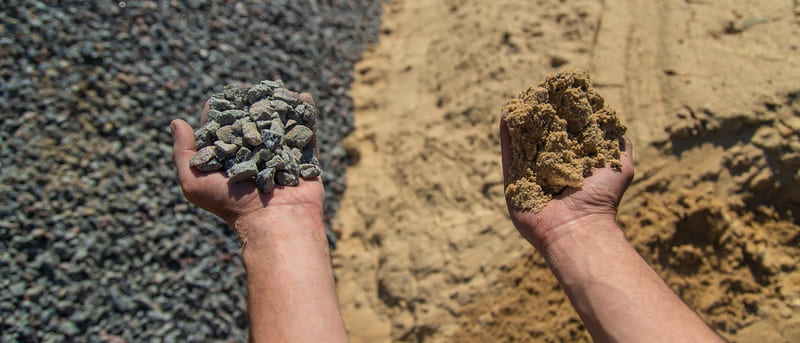
What sets sand and gravel apart is the size of their particles. Sand has smaller particles, usually between 0.002 and 0.079 inches. Gravel pieces are bigger, between 0.079 and 2.95 inches. Both come from natural weathering and erosion, as rocks break down and are moved by wind, water, or ice before settling.
The type of rock a material comes from also changes how it looks and performs. Granite forms rough sand, while limestone creates smoother grains. Basalt usually leads to darker materials. Gravel comes in different grades and types, like pea gravel, river rock, lava rock, marble chips, and Jersey Shore gravel.
Typically, sand is suitable for smooth surfaces or as a concrete filler. But when you need a strong base, bigger pieces of gravel work better.
Best Uses for Sand in Your Projects
Sand is compact and easy to shape. It sticks well when wet, which is why it works so well in concrete and mortar mixtures. Its fine grains fill gaps between larger materials, forming a firm base that stabilizes structures and prevents movement.
Sand is generally used in landscaping as a base for pavers because it helps level the area and prevents pavers from moving. It also works well for playgrounds, volleyball courts, or under pools where you need a smooth, solid surface.
Sand allows moderate water flow, making it suitable for improving drainage in heavy clay soils. It also filters out dirt, which keeps drains from getting blocked. However, because of its small particle size, sand can compact over time and drain more slowly than gravel.
Best Uses for Gravel in Your Projects
Gravel is quite handy as a material, as it’s available in different sizes and textures. Its durability and strength make it ideal for driveways, walkways, and French drain projects. When packed down, the stones press together and stay put, giving you a strong, stable base.
Crushed stone holds up well and doesn’t form ruts, so it works best for driveways. Pea gravel looks nice, and smooth, but it works better in areas with light foot traffic since it can move around a bit. Gravel also drains water quickly, helping prevent puddles and erosion.
It’s easy to maintain and holds up well during Michigan’s freeze-thaw cycles. Many landscaping projects use limestone gravel because it packs tightly and gives the area a clean, finished look.
Specific Project Applications
Every outdoor project has different needs, so choosing the right base material matters.
Driveways
Gravel is the best driveway base material. A mix of crushed stone up to 1.5 inches with fine dust creates a stable base that supports weight while allowing drainage. Gravel driveways usually have three layers. This helps them last and keeps ruts from forming.
Paver Bases
When preparing patios or pavers, sand works best because it creates a flat, even surface that prevents stones from moving or cracking.
Pathways
For walkways, pea gravel is a great option. If a firmer base is needed, choose crushed limestone. Both provide a natural, comfortable walking surface.
Drainage
For French drains or spots that gather water, use clean gravel that’s ½ to 1 inch in size. It lets water flow through easily and helps keep the soil from washing away.
Garden Beds and Erosion Control
Gravel also works well as long-lasting mulch. It helps stop weeds from growing and keeps pests away. Larger stones between 2 and 4 inches are useful for erosion control on slopes.
How to Calculate How Much Sand or Gravel You Need?
Accurate calculations help you save money and prevent shortages. Measure the project’s length, width, and desired depth, then multiply to get cubic feet. Divide that number by 27 to get cubic yards. Always add about 10 percent for settling and waste.
Gravel covers more area per ton than sand because it has larger particles. Sand weighs between 88 and 115 pounds per cubic foot, while gravel weighs between 94 and 126 pounds per cubic foot. Sandy soils usually settle by 2 to 3 percent, but clay soils might settle 20 percent or more. For larger or complex projects, it’s best to talk to experts to avoid costly errors.
Installation and Maintenance Best Practices
Compaction is key to long-lasting results. When you have sand or gravel that is tightly packed, it gives you a firm base and prevents sinking or shifting. Proper drainage prevents water from pooling and causing damage.
Regular upkeep will make your project last. In spring, fill low spots and check for drainage issues. During summer, use stabilizers to cut down on dust and pull out weeds early. During autumn, clear debris and regrade surfaces to maintain slope. In winter, avoid harsh chemical deicers that can damage gravel.
Not putting down the base layer or using the wrong size material are two of the most common mistakes homeowners make. Edging is also very important to keep the gravel in place. You can do smaller projects yourself, but for driveways or patios that need tools for precision and compaction, it’s best to hire a pro.
Stone Depot Has A Lot Of Different Kinds Of Sand And Gravel
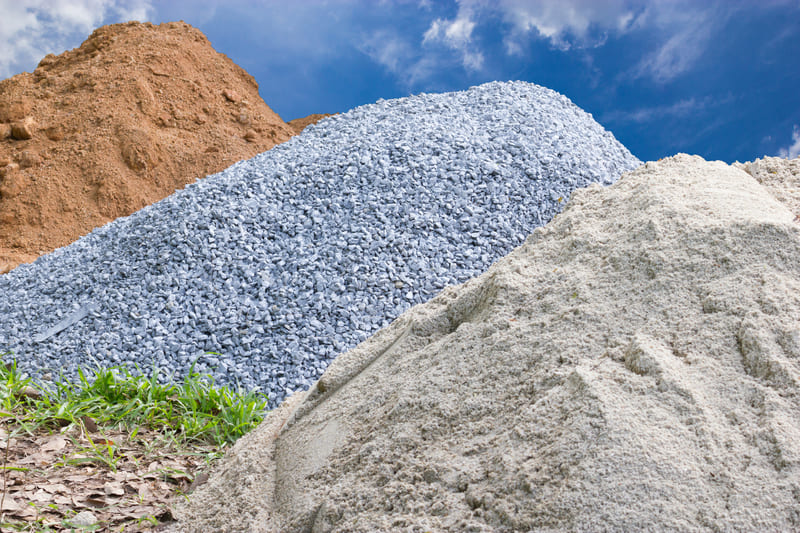
We sell Michigan homeowners sand and gravel that comes from places close by and works well with the state’s weather and soil. We have different kinds of gravel, such as decorative stone, crushed stone, and pea gravel. We also have fine sand for paver bases and coarse sand for drainage.
Our locally sourced materials provide faster delivery, better quality control, and a smaller carbon footprint. On average, imported materials can travel over 1,500 miles, producing nearly 40,000 pounds of Carbon dioxide per project. You can buy all of our landscaping base materials and other products in bulk and have them shipped anywhere in Michigan.
Make the Right Choice for Your Project’s Success
The choice between sand and gravel depends on your project needs and on-site conditions. Understanding the differences and how & when each is used can help you avoid making mistakes and unnecessary repair expenses down the road. Get in touch with Stone Depot for advice on picking the right base materials for your next outdoor project.