
Retaining Walls 101: Building Guide for Homeowners and Contractors
If your Southeastern Michigan home is built on a slope with clay or loamy soil, you may need a retaining wall to help prevent soil erosion, protect your landscaping, and create a flat space for a garden. Retaining walls can be small structures just enough to make space for your flower beds, or large walls to prevent soil from sliding down a slope. When considering a retaining wall for your property, it’s essential to have the correct retaining wall materials for your unique soil conditions and Michigan’s freeze/thaw cycles that can disrupt and cause shifting of the surrounding soil.
In this guide from Stone Depot Landscape Supplies in South Lyon, Michigan, you’ll learn about how to build a retaining wall, the best materials, and how to create the optimum retaining wall design.
Understanding the Purpose and Benefits of Retaining Walls
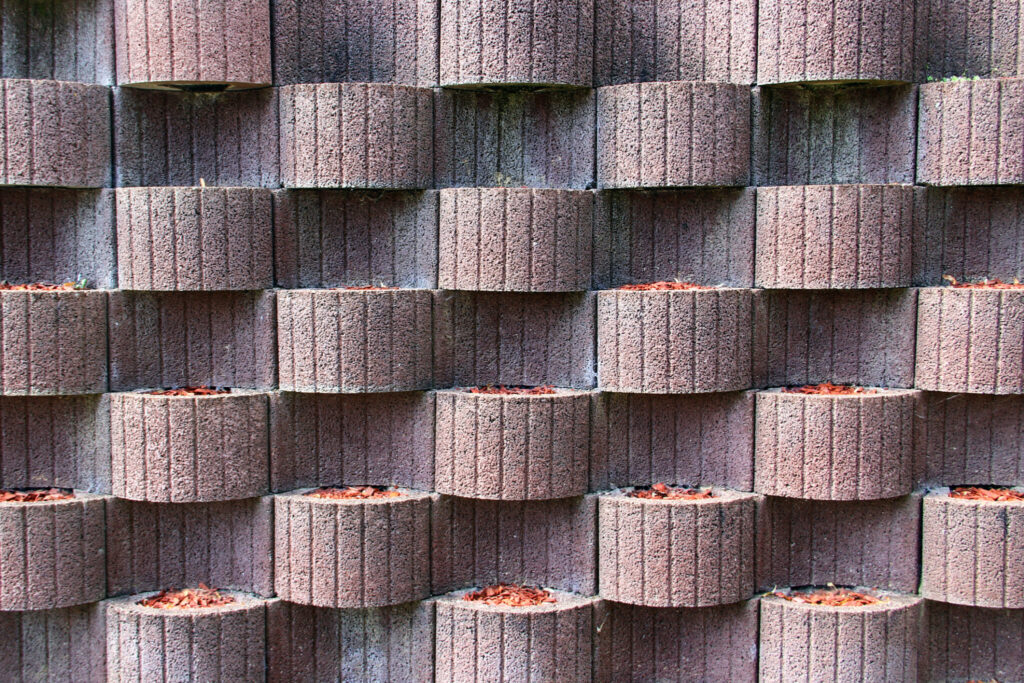
Homeowners, builders, and landscapers use retaining walls for various reasons. Holding soil back from your home or outbuilding is one of the primary functions of a retaining wall. With a retaining wall, you can create a flat space on hilly terrain for gardens, patios, or an additional outdoor living space. While a retaining wall is a functional piece of structure, it also adds aesthetic appeal that makes your home more attractive and boosts its value.
In some instances, a retaining wall is crucial to keep soil from eroding, especially if your Southeastern Michigan home is built close to a slope or hill. Without constraint, the soil can dislodge and slide into the foundation or side of your home or outbuilding, especially when it rains or when the snow melts.
There are four main types of retaining wall construction:
- Gravity retaining wall: Most Michigan homes have this type of retaining wall used for small projects with minimal slope.
- Cantilever retaining wall: For larger projects and the need for higher walls, builders and hardscape professionals will install a cantilever retaining wall.
- Sheet pile retaining wall: Homes with salt air or water exposure often use this type of retaining wall, made with interlocking sheets of steel, stone, or wood.
- Anchored retaining wall: For extreme slopes with the potential for serious soil erosion, you’ll need an anchored retaining wall that can withstand high loads of pressure.
Selecting the Right Materials for Your Retaining Walls
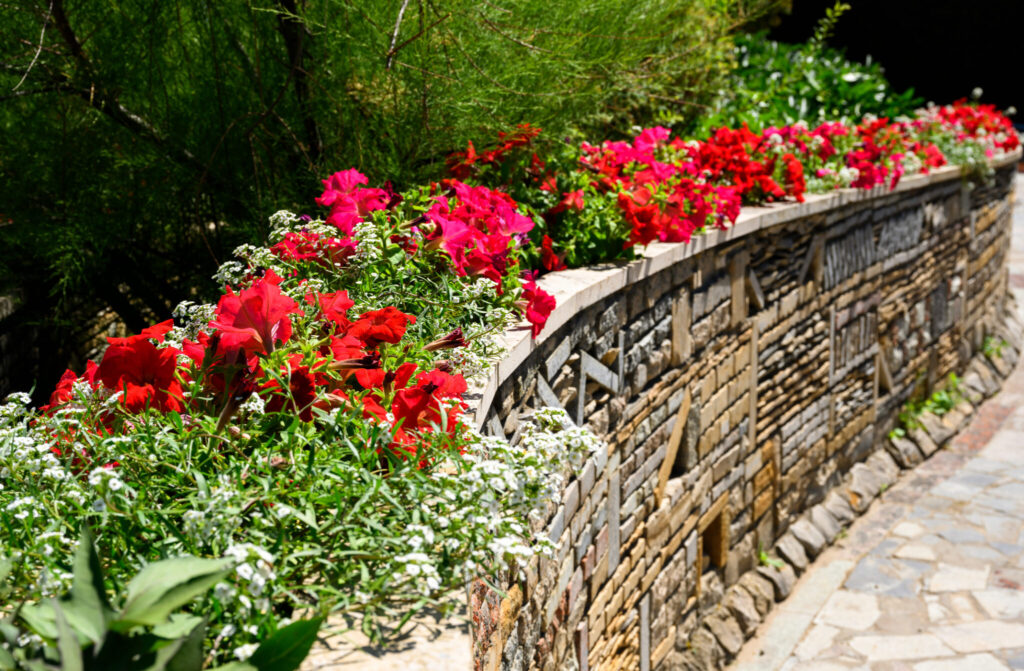
What types of materials are common for Southeastern Michigan retaining walls? The main materials are timber/wood, concrete, brick pavers, and natural stone.
- Stone: This type of material creates a natural appearance for your yard or property and is a popular choice for the area. Their rustic beauty adds a rustic charm to your property, and when properly installed by a professional, can last for decades.
- Brick pavers: These are one of the most durable choices for a retaining wall. They have an interlocking design that provides superb stability while creating a seamless look. You can also use pavers in creative ways to create a multilayered or tiered wall for a fanciful appearance.
- Concrete: Concrete retaining walls are generally used for more commercial or industrial situations. They are either manufactured at the plant or poured into pre-made frames for ease of installation.
- Wood: Many Southeastern Michigan homeowners and contractors use timber for retaining walls. Wood is aesthetically pleasing, but it is prone to rot when exposed to too much water.
Planning Your Retaining Walls Project
Taking time to plan your retaining wall with a professional will help expedite the process while ensuring the project is done right. Our team at Stone Depot Landscape Supplies starts the process with a consultation with you to create a retaining wall design. We’ll evaluate the site, including analyzing the soil, and determine the best materials to use and the type of retaining wall to install. If needed, we’ll get the right permit per city or HOA requirements.
Site preparation is the next step, including checking for utility lines. We’ll do any excavating and soil compaction needed, and then make a foundation and footings. Our team will lay and secure the walls, backfill the open space, and remove any leftover materials from the project. Our final step in the retaining wall process is to do a final walk-through with you.
Foundation and Drainage Essentials for Long-Term Stability
Insufficient drainage of water from snowmelt or rain can wreak havoc on your home’s foundation or retaining wall, causing it to become unstable. Proper drainage will lower the pressure of water. Letting this pressure build might cause your retaining wall to bulge, then fail.
You can trust our team to build a drainage system to protect your property. This means using backfill, drain pipes, weep holes, and a fabric soil separation barrier to ensure optimal stability of your retaining wall.
Common Mistakes to Avoid in Retaining Wall Construction
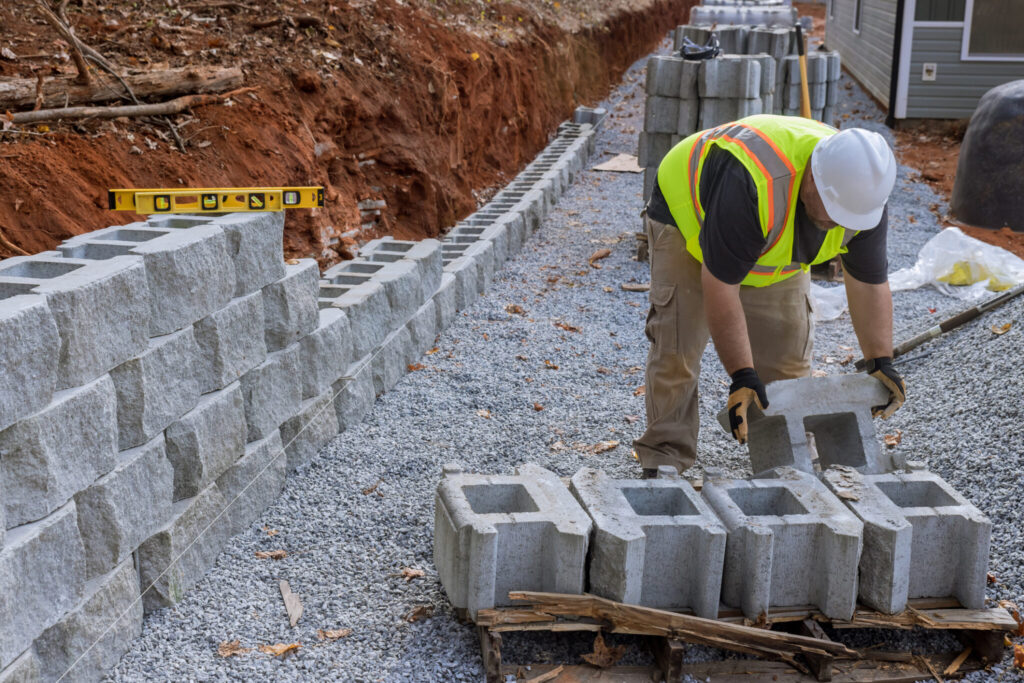
You need particular tools, heavy machinery, and knowledge of how to prepare the soil to build a retaining wall. Some common faults that lead to a poorly built retaining wall are:
- Not planning and budgeting properly
- Poor excavation and an insufficient drainage system
- Not understanding the type of soil
- Not using the right materials
- Poor anchoring of the foundation
- Not getting the right permits or HOA approval
- Skipping detailed planning
You can avoid many of these mistakes by using a professional retaining wall installer like Stone Depot Landscape Supplies.
Build a Retaining Wall for Your Unique Home
Our team at Stone Depot Landscape Supplies in South Lyon, Michigan, can design and build a retaining wall using the type of material that adds beauty, functionality, and versatility to your property. Contact us to learn more about our retaining wall services and schedule an appointment for any of your hardscaping projects.