
Gravel Sizes Explained: Which One Is Right for Your Project?
Gravel is often needed for your driveway, patio, pathways, drainage, and landscaping projects when you’re planning an outdoor improvement or addition for your Northern Michigan home. Gravel helps beautify your garden areas, brings stability to driveways, and helps drainage systems prevent flooding and water overflow. While it seems simple to just order gravel for a project, each stone size and texture has a specific purpose, and you must have the right type and size of gravel for the specific project.
In this article, created by Stone Depot Landscape Supplies in South Lyon, Michigan, you’ll learn about the different gravel sizes and the best applications for each size and style.
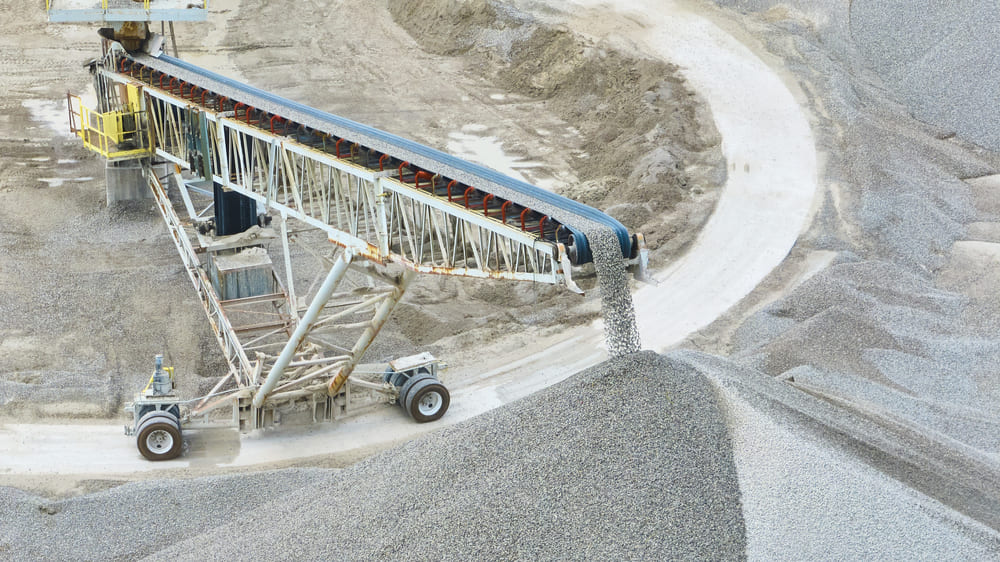
What the Gravel Numbering System Actually Means
Because gravel comes in many different sizes and textures, it’s important to understand the numbering system in order to choose right type of gravel for your Northern Michigan project. Have you noticed that when you visit Stone Depot Landscape Supplies for sand or gravel, you may see bins of gravel labeled with different numbers? What do these numbers mean, and how are they determined?
For years, construction companies and landscapers have used a system of grading gravel sizes based on sieve analysis, using the standardized AASHTO M43 or ASTM D448 classification system. This system works by numbering the gravel by size. The bigger the gravel size, the smaller the number. A #3 gravel size is larger than a #57 gravel size, and contractors use these for different applications.
Angular vs. Rounded Gravel and Why It Matters
Not all small stones are gravel. Crushed stone, sometimes referred to as man-made aggregate, comes from large slabs or chunks of rock that have been run through a crusher. Common crushed stone rock types include dolomite, basalt, granite, or limestone. After the stones are crushed, they get sorted into similar sizes. Most crushed stone has sharp, irregular edges that often interlock, creating a stable base used for driveways and large hard landscaping projects.
Gravel, on the other hand, is formed naturally in waterways, such as old or existing riverbeds, or from glacial deposits. The stones have been tumbled by the force of the water, giving each piece of gravel rounded, smooth edges, ideal for areas that need good drainage, like walkways or garden beds. Consulting with a gravel expert will help you determine the best gravel type for your Northern Michigan outdoor home improvement project.
The Most Common Gravel Sizes and What They Are Used For
Let’s delve into the common gravel sizes and when to use them, according to a standardized gravel size chart.
Heavy Base Layers and Drainage Systems
- #1 gravel is 2 inches to 4 inches
- #2 gravel runs between 1 1/2 to 2 1/2 inches
- #4 gravel is 1 to 1 1/2 inches
- #5 gravel is 3/4 of an inch to 1 inch
- #57 gravel is 3/8 to 1 inch
- #67 gravel is 3/8 of an inch up to 3/4 of an inch
Walkways and Decorative Landscaping
- #7 gravel runs between 3/8 and 1/2 inches
- #8 gravel is 3/16 of an inch to 3/8 of an inch
- #89 gravel runs between 3/32 of an inch and 3/8 of an inch
Choosing the Right Driveway Gravel for Long-Lasting Results
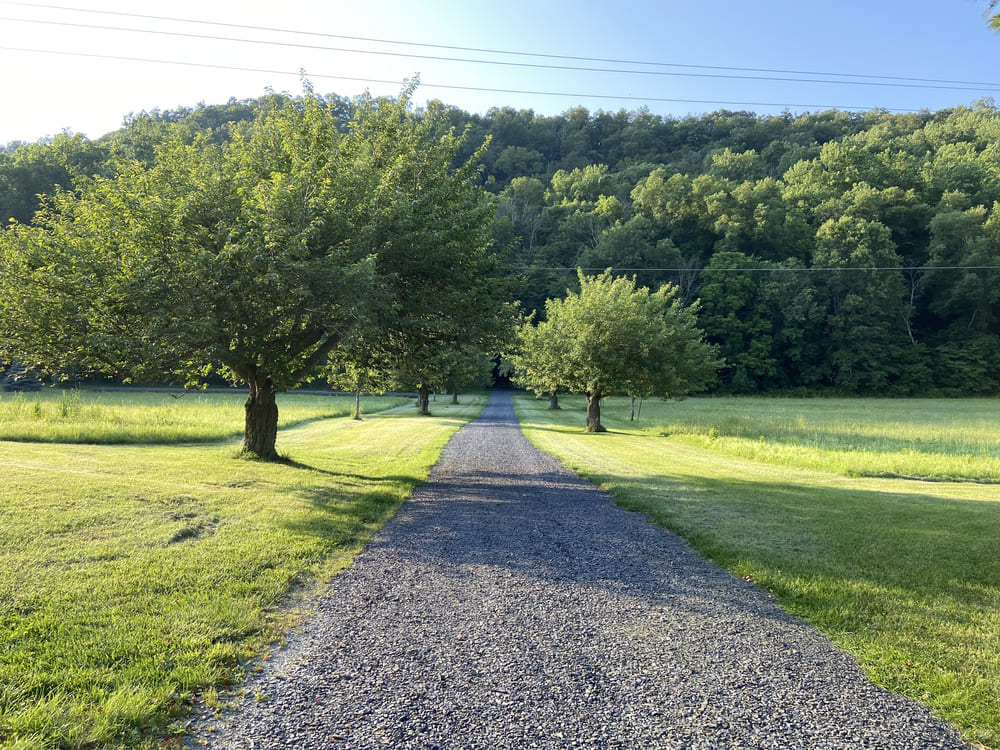
When choosing driveway gravel, you need durable stones that interlock well and provide drainage. #57 gravel is very common for driveways because it’s clean and has some angularity. #411 is also common, and with some stone dust, can compact well while still allowing drainage.
Many driveway contractors use a three-tier system for building a driveway. They will use a larger stone (smaller number) for the base, a midsize stone like #57 for the stabilizing layer, and may finish the driveway with a gravel like #8 for the top.
It’s essential to hire a professional driveway contractor who will engineer the proper grade and slope for your Michigan property. In addition, contractors will use the correct gravel to build the necessary layers for an efficient driveway. When properly installed and regularly maintained, your gravel driveway should last 15 to 20 years, especially with a gravel re-topping every few years.
Best Gravel for Various Projects
Outdoor home improvement projects can also involve adding drainage systems, walkways, pathways, and patios. Let’s look at the best gravel sizes for these projects.
Drainage Systems
Drainage systems are important to keep your lawn, landscaping, or the foundation of a building from flooding and water damage. Pea stones of #7, #8, or #89 have excellent draining properties. This kind of drainage gravel does not compact easily, reducing water pooling. Keep in mind that while pea gravel has good drainage properties, spaces in between stones can allow weeds to grow. For larger drainage systems, such as French drains, #57 gravel is one of the most versatile sizes. Drainage professionals use larger stones for the base layer before adding smaller gravel to build the ideal drainage system.
Walkways, Patios, and Landscaping Beds
For walkways, pathways, and gravel patios that you want to be aesthetically pleasing, choose colorful pea stones. Their smooth sides feel pleasant to walk on, drain well, and hold up well to foot traffic. You can also use decorative river stones, marble chips, or beach gravel for versatile and attractive landscaping gravel.
Common Gravel Selection Mistakes to Avoid
One of the most common mistakes when choosing gravel is picking the wrong size for the project. For areas that need compaction, you need larger, angular stones with stone dust for compaction, and pea gravel for drainage and aesthetics.
In addition, with a DIY gravel project, some homeowners forget to install a base layer under the gravel to help discourage weed growth. Consult with your home or landscaping contractor to help you avoid gravel selection mistakes and make the right decisions for your Northern Michigan outdoor home improvement project.
Find the Right Gravel for Your Project at Stone Depot
The right gravel will help ensure longevity and performance for your property improvements. Contact Stone Depot Landscape Supplies for a consultation about your gravel needs, and our team of experts will guide you toward the ideal gravel options for your driveway, walkway, patio, drainage, or landscaping projects.