
Decorative Stone vs Mulch: Which Is Better for Your Landscape?
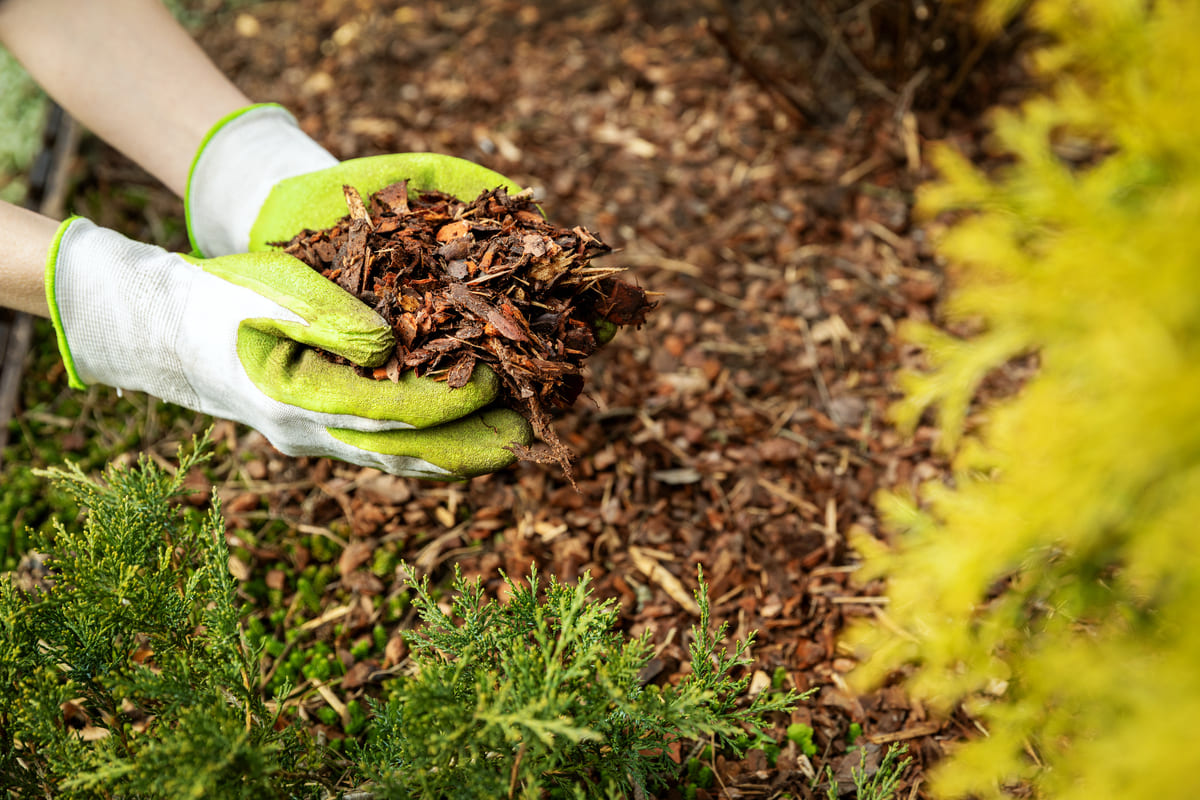
Picking the right ground cover seems easy at first. Then you’re out in the yard, looking at samples, and it gets a bit tricky. Decorative stone vs mulch, a lot of homeowners get stuck here because both look appealing, and both do the job in different ways. At Stone Depot Landscape Supplies, it’s something people ask about all the time when they’re trying to upgrade their outdoor space and are looking for the best mulch or stone for landscaping.
There isn’t a single clear winner. Decorative stone gives a neat, polished look and doesn’t need much upkeep once it’s in place. Mulch feels more natural and helps keep plants healthy, especially in garden beds. Some areas might even benefit from a mix of both. It really comes down to how you want your landscape to look and perform day to day.
Understanding Your Ground Cover Options
When people talk about ground cover, they’re usually choosing between organic and inorganic materials. Decorative stone falls into the inorganic side. It includes gravel, pebbles, crushed stone, and other decorative rocks, all available in different colors, textures, and finishes. Sizes can range quite a bit, too, from small gravel around 0.125 inches to larger boulders that can go well beyond 12 inches. Each size serves a purpose, from filling pathways to creating focal points.
Mulch is composed of substances like wood chips, bark, or shredded wood that decompose slowly in the soil. That breakdown actually makes the soil healthier. That decomposition actually helps better soil health. Simply put, stone is about structure and long-term coverage, while mulch leans more toward plant support and a more natural look.
Cost Comparison and Long Term Value
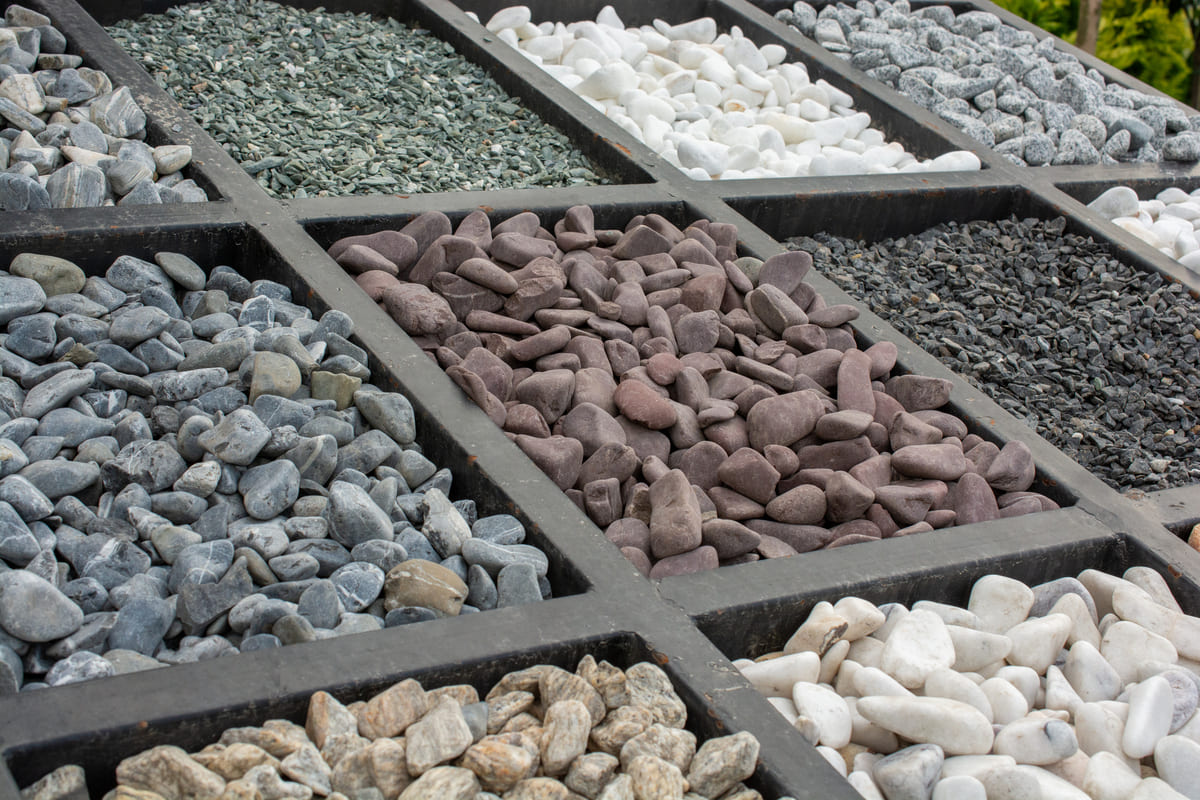
When it comes to mulch vs stone landscaping choices, cost is usually where the decision starts to build up. Mulch is cheaper at the outset and will cost between $0.15 and $0.60 per square foot, or between $30 and $120 for 200 square feet. Stone sits higher at around $0.75 to $3.50 per square foot, which can feel like a stretch at first.
But that’s only part of the picture. Mulch needs regular refreshing, often every year or two, adding another $30 to $120 each time. Over five years, that adds up quickly, even before factoring in labor. Stone is different. Once it’s installed, it mostly stays put with very little upkeep.
In the long run, decorative stone makes up for that higher upfront cost. You pay more once, but avoid the cycle of replacing and re-spreading year after year.
Maintenance Requirements and Time Investment
Maintenance is where the difference really shows up over time. Here, decorative stone benefits are hard to ignore, as it’s fairly low effort once it’s installed properly. You might spend 2 to 3 hours a year clearing leaves, rinsing dust, or leveling a few spots. That’s about it. With good landscape fabric and edging underneath, it stays in place and doesn’t need seasonal replacement. It also provides better fire safety.
Mulch asks for more attention. It breaks down, shifts with rain, and fades faster. That means re-spreading, topping it off, and sometimes removing old layers before adding new material. Altogether, you’re looking at roughly 8 to 12 hours a year, depending on the space.
Over time, that extra work adds up. Stone holds steady through weather and foot traffic, while mulch needs regular care to keep it looking fresh and doing its job.
Plant Health and Soil Impact
When you look at plant health, mulch generally scores better. It breaks down slowly, feeding nutrients back into the soil for the plant’s better growth. It also holds onto moisture, so the soil doesn’t dry out too quickly, and roots stay a bit cooler during warmer days. That kind of consistency really helps, especially in garden beds.
Stone doesn’t do much for the soil itself. Water drains faster, so you may find yourself watering more often. It can also make the soil warmer, sometimes by 10 to 15 degrees. That’s not great for delicate plants, but it can help in cooler spots or with plants that prefer drier conditions.
Climate Considerations and Durability
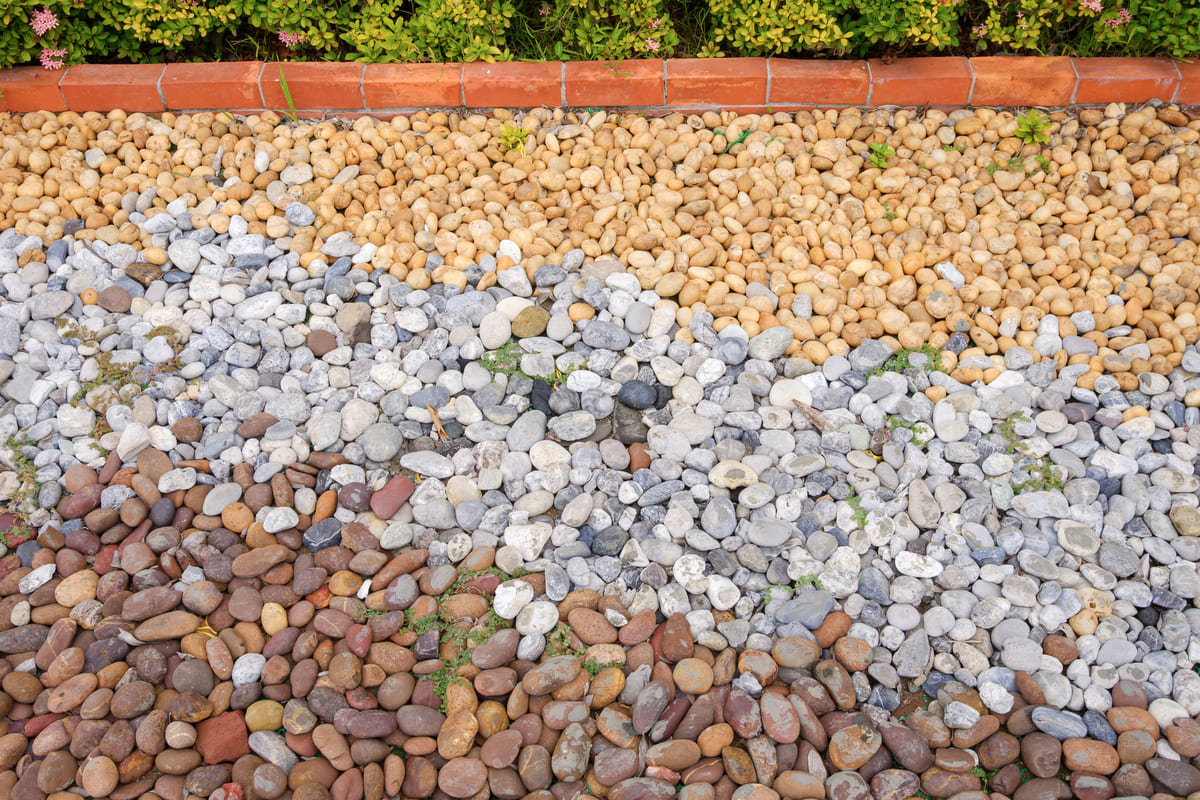
Climate plays a bigger role than most people expect. Decorative stone is more suitable for use in hot and arid regions. It does not deteriorate, nor does it disperse. It also withstands intense sunlight without compromising its aesthetics. Another benefit of decorative stone is that water runs off easily. That’s why it works well in desert-style or low-water landscapes.
Mulch reacts quite a bit to the weather around it. In humid or rainy areas, it tends to soak up water, shift out of place, and break down sooner. That usually means you’ll be topping it up or replacing it more often. In colder regions, though, it does something useful. It acts like a blanket for the soil, helping protect roots when temperatures drop.
Weather events matter too. Strong rain or wind can easily push mulch around, leaving some spots bare. Stone doesn’t have that issue. It pretty much stays put and keeps its shape, even after rough weather. In general, stone is more reliable in harsher climates, while mulch is better for balanced weather conditions.
Design Appeal and Aesthetic Benefits
When aesthetics is considered, both choices have certain unique qualities. Stone gives your space a clean, defined look that stays the same year-round. The color doesn’t fade much, and the texture holds up, which helps keep your landscape looking sharp without constant touch-ups. You’ll find everything from light, modern tones to darker, more natural shades, so it’s easy to match different home styles.
Mulch leans softer and more traditional. It blends well into garden beds and gives that fresh, natural feel, but it can lose color after a season and start to look worn. Design-wise, stone has a more intentional and polished feel, which can boost curb appeal.
Making the Right Choice for Your Property
The choice between the two really comes down to how your yard is laid out. Mulch works best around plants, especially younger ones that need constant moisture. Stone makes more sense in walkways, borders, or spots where constant upkeep is tedious. Many homeowners end up using both, and it works well. Stone can hold edges in place, while mulch supports plant growth inside those areas. Just keep them separate and plan the layout carefully. If you’re unsure what to pick, contact Stone Depot Landscape Supplies, and we’ll help you figure out what fits your space perfectly.